
Another week, another delay. But then again, this campus and the PGPX experience have a habit of sweeping you along before you realise where the time went. The weekend disappeared in the blink of an eye, and most of us found ourselves playing catch-up, even though the real game has always been about living the experience as it unfolds. So yes, another week and yet another promise to be on time. Unless, of course, IIM Ahmedabad decides to throw in a few more curveballs and surprises (which, at this point, feels almost guaranteed).
Week-39 here refers to the week of January 12, 2026 to January 18, 2026. As much as I would like my blog posts, and honestly, most of my life right now, to be dominated by academics and the pressure of a thousand assignments and projects, I would be failing in my duty if I did not pause to highlight the sheer pull and reach of IIM Ahmedabad. This place has an uncanny ability to call up eminent speakers and thought leaders as casually as one might schedule a regular work meeting.
The two speakers I had the privilege of listening to recently were nowhere on my PGPX 2025–26 bingo card. These were individuals I had previously encountered only through Instagram reels, soundbites, and forwarded WhatsApp clips. And yet, there we were, students sitting on stairs, standing along corridors, waiting patiently just to be in the same room and hear them speak. Sure, one could argue that this is just an adult man obsessing over celebrities and gushing about the experience like a wide-eyed teenager. But the real realization hits later: moments like these are accessible to us simply because we are here, because of our association with IIM Ahmedabad. The kind of people who walk into these classrooms, who engage with students on these hallowed grounds, and the kind of individuals who walk out of here to shape industries, institutions, and public discourse across the country, it all goes far beyond anything one could have imagined before stepping onto this campus.
Tuesday arrived with a moment I had not quite prepared myself for. The campus played host to Mr. Arvind Subramanian, former Chief Economic Advisor of India, and Professor Devesh Kapur, one of the most respected voices in political science today. They were on campus to discuss their upcoming book, A Sixth of Humanity: Independent India's Development Odyssey, but what made the experience truly special was how generously they gave their time to students.
There were no formal barriers, no guarded interactions, and no sense of hierarchy. Just open conversation, thoughtful responses, and an ease that made you momentarily forget you were listening to two of the sharpest minds of our time. Watching them sit in the same classroom as us, casually sipping the same unremarkable Nescafé coffee the rest of us survive on, and bonding over the shared thread of IIM Ahmedabad, was one of those quietly surreal moments you want to pause and absorb fully. Anyone who knows me would have spotted my excitement from a mile away all through the week. I make no attempt to hide it. These were two people I had been genuinely looking forward to hearing and meeting, and by my own admission, I probably gushed about the book talk far more than socially acceptable. But some moments deserve that kind of unfiltered enthusiasm, and this was definitely one of them.
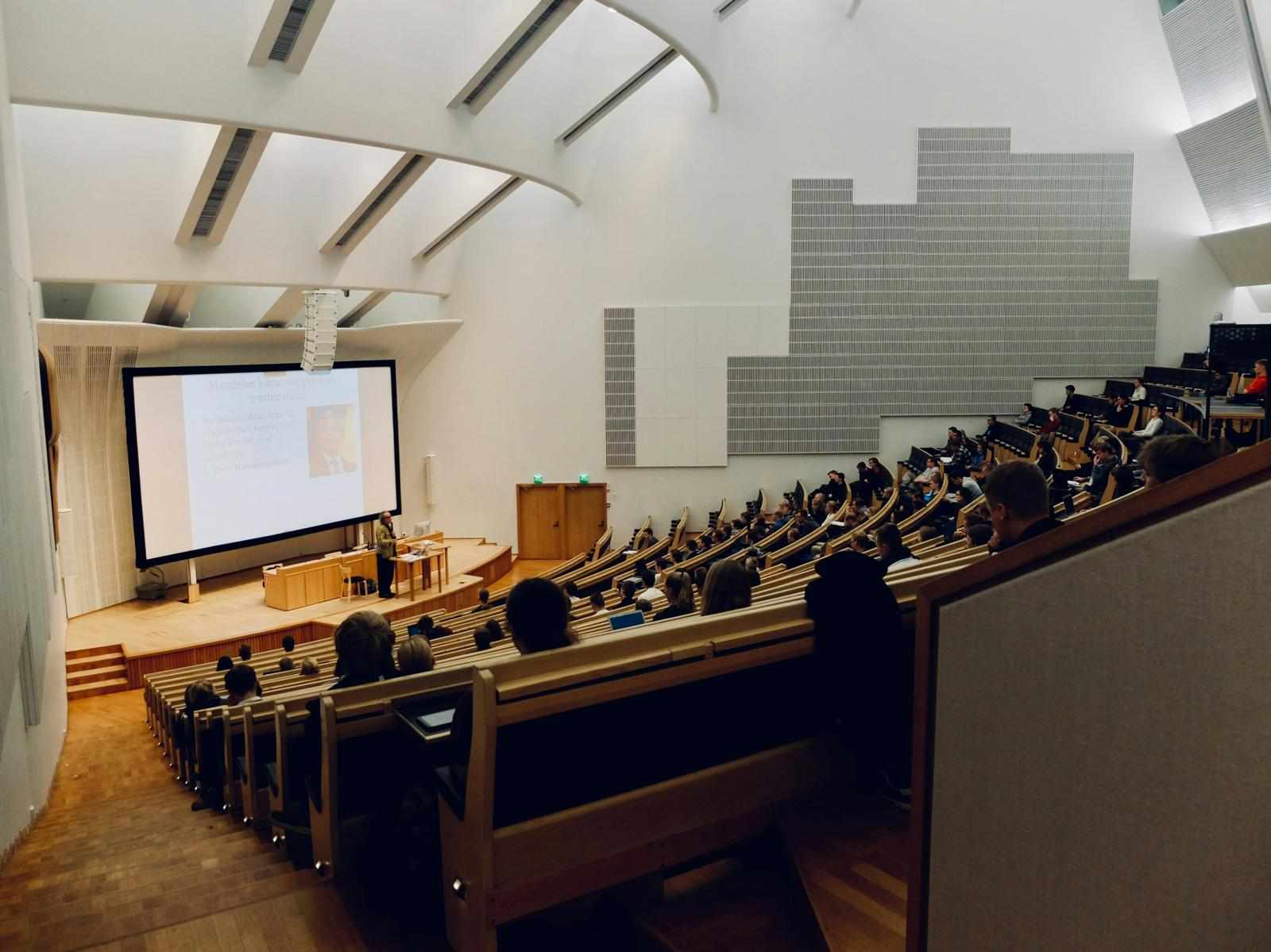
Saturday brought Mr. J. Sai Deepak to campus, and the anticipation around his session was evident long before he even began speaking. You could tell how eager everyone was simply by the attendance: people squeezed themselves into aisles, corners, and any available space, however they could. The session itself unfolded exactly along expected lines: incisive, sharply argued, laced with wit, and deeply reflective in the way he addressed questions. But what truly captured the mood was what followed. The queue to meet him was impossible to miss, stretching all the way from the stage to the very exit of the auditorium. A line of people waiting patiently for barely ten seconds of interaction said more than any applause ever could. That queue, in itself, was a statement.
While I could not attend the session by Gaur Gopal Das, thanks to IIM Ahmedabad’s famously unrelenting academics, everyone who did made sure I suffered enough through their glowing reviews. They unanimously vouched for the effortless humour, warmth, and ease with which he spoke, the very traits he is widely celebrated for. By all accounts, he was exactly as one would expect: witty, grounded, and disarmingly relatable. And if there was one takeaway everyone agreed on, it was this: simply being in the same room as him was an experience in itself.
Over the weekend, IIM Ahmedabad transformed into a cultural carnival as it hosted Chaos 2026, the institute’s flagship cultural festival. For a brief moment, deadlines, quizzes, and case discussions took a collective backseat as the campus echoed with music, lights, and an unmistakable buzz of celebration. By virtue of the festival alone, some of the most well-known names in Indian music graced the red bricks and left an indelible mark with their performances. Friday set the tone with Ritviz, whose music effortlessly blended melody and rhythm, pulling the crowd into a trance-like sway. Saturday dialed the energy up several notches with Raftaar, as the campus erupted into raw, high-octane energy and collective adrenaline. By Sunday night, however, the mood shifted, from electric to ethereal, as Javed Ali took the stage to close the festival.
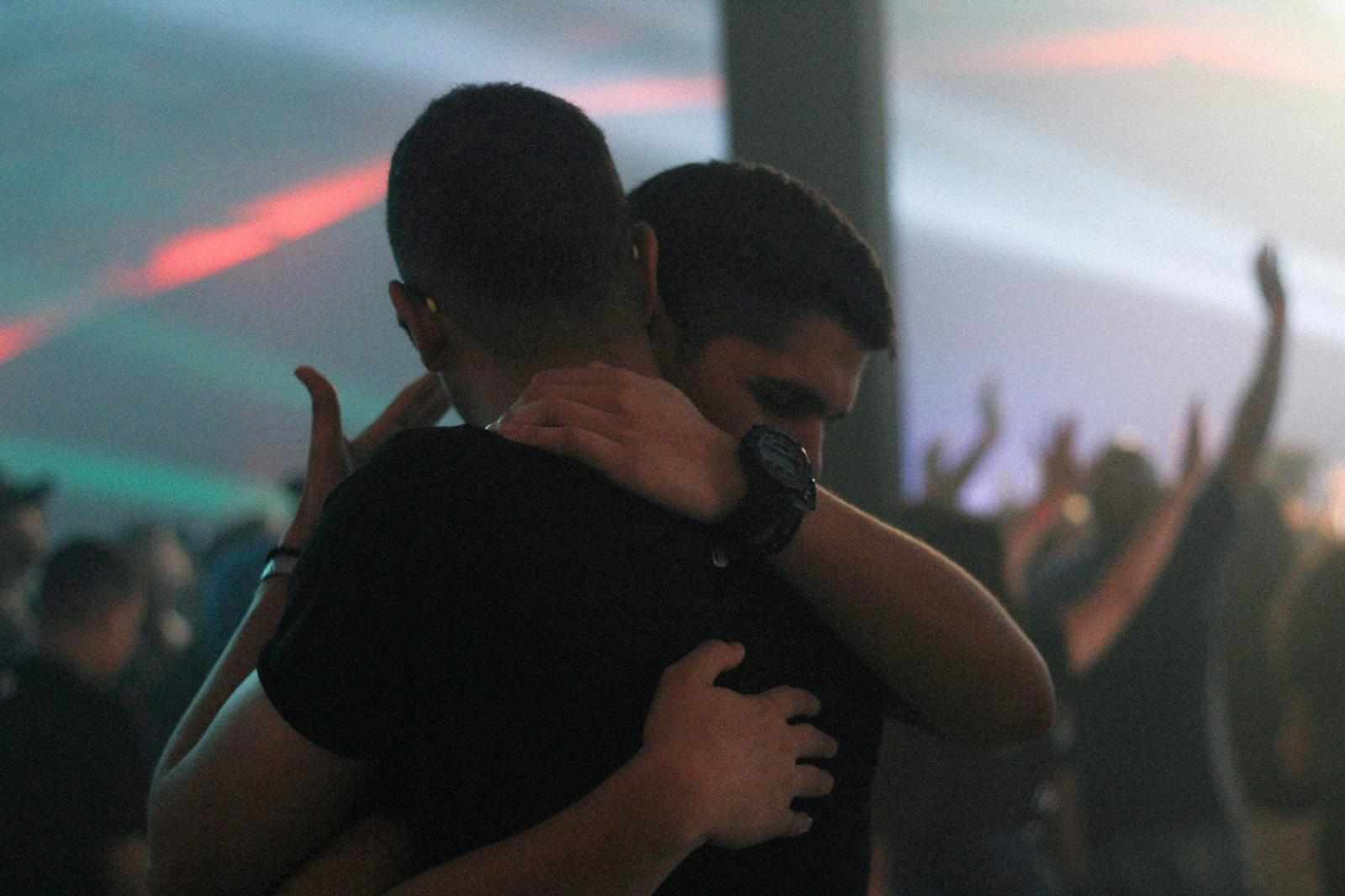
While every performance over the three days was a spectacle in its own right, there was something profoundly different about that final evening. The moment Javed Ali began the आलाप of Kun Faya Kun, time seemed to pause. Conversations faded, phones lowered, and thousands of people stood still, absorbing the magic unfolding in front of them. Those next five minutes, as he sang the iconic song with effortless grace, felt nothing short of transcendental, an out-of-this-world experience that words struggle to do justice to. It was one of those rare moments where music stops being entertainment and becomes a shared, almost spiritual memory, etched forever into the Chaos 2026 story and into ours.
The week also welcomed a special set of visitors, our cousins from the Middle East, as students from the inaugural batch of IIM Ahmedabad Dubai Campus (PGPX) paid a visit to the mothership. You could sense their excitement instantly: the quiet awe of walking through the iconic corridors, the curiosity with which they absorbed campus traditions, and the ease with which they slipped into the rhythm of life at IIMA. What stood out most was how naturally they blended into our ecosystem.
Conversations flowed effortlessly, shared meals turned into long discussions, and it did not take long before the invisible line between host and guest disappeared altogether. The IIM Ahmedabad community, and the PGPX cohort in particular, went out of its way to ensure they experienced the city and the campus in full measure, from soaking in the red-brick charm to getting a taste of Ahmedabad’s warmth and chaos. By the end of their visit, it felt less like hosting visitors and more like welcoming family. Different geographies, different journeys, but bound by the same institution and the same spirit, proof that the IIMA experience travels far beyond borders, and yet feels instantly familiar the moment you step onto campus.
One could not help but notice the new batch (X21) reaching out, questions flying left, right, and centre. While everyone from the current batch is more than happy to engage, share experiences, and answer queries to the best of their ability, those conversations carried a quiet, unspoken weight. They were not just questions about courses, electives, or campus life; they were gentle reminders that the cycle was moving forward. In many ways, it marked the beginning of the end for us.
Seeing that same curiosity and nervous excitement reflected back felt strangely nostalgic, as if we were looking at versions of ourselves from not too long ago. It served as a subtle reminder that our time here is now finite, that the baton will soon be passed on, and that it is our turn to step back, guide, and make space for the next cohort to write their own stories within these red-brick walls.
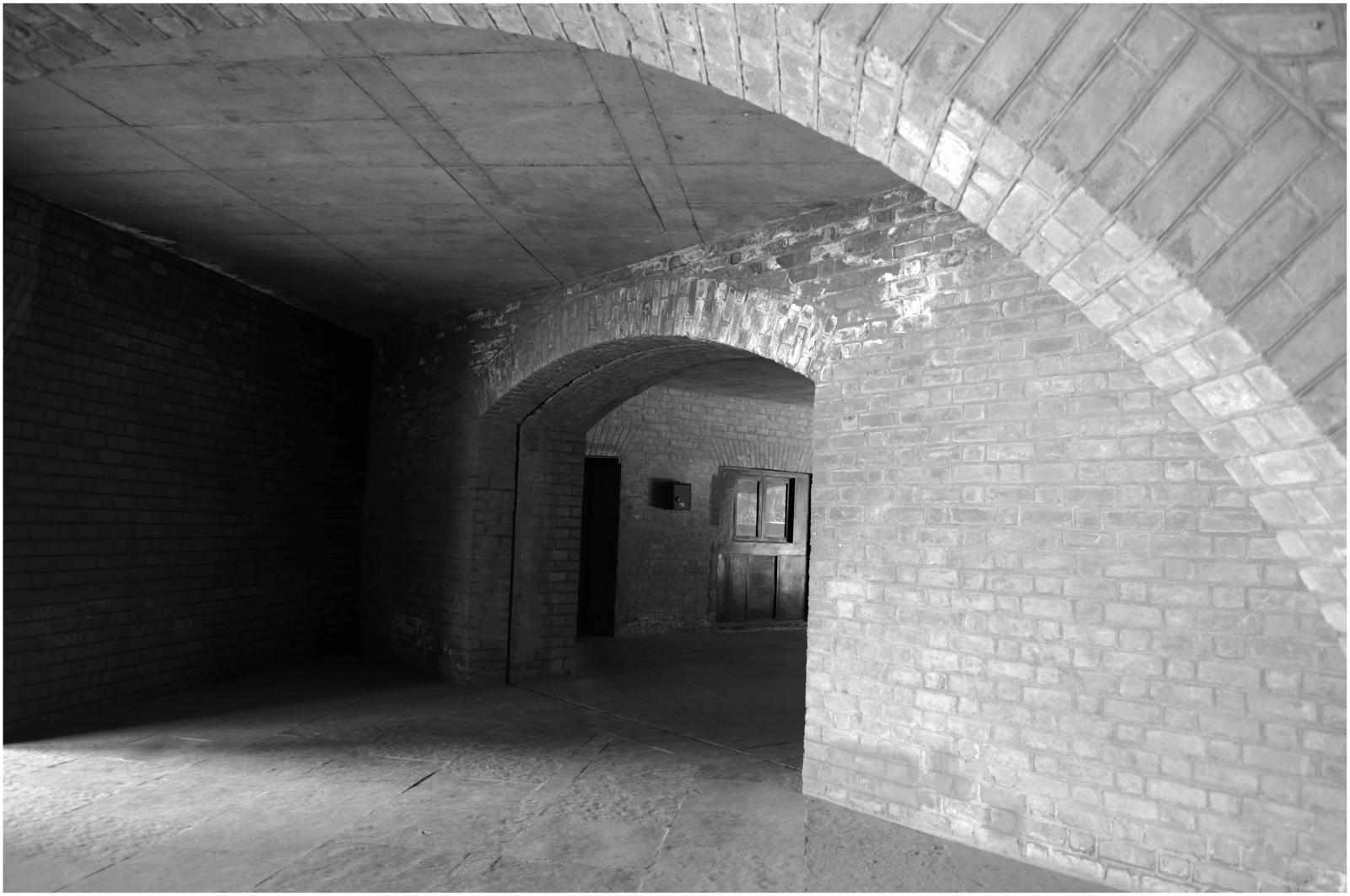
To be a part of these red bricks has been a privilege beyond anything I could have imagined. And now, as the time comes to pass on the baton, everything feels strangely accelerated: the days move faster, the goodbyes feel closer, and the campus itself feels more familiar and more personal, almost like it knows what is coming next.













Write a comment ...